

You will not be allowed to compare more than 4 products at a time
View compareAfrican Dwarf Frog
African Dwarf Frog
SKU
FNF-AMP-ADF-STDVendor
Flora and FaunaProduct Type
African Dwarf Frog1000 in stock
More payment Option
Let us know about your query!
Contact Us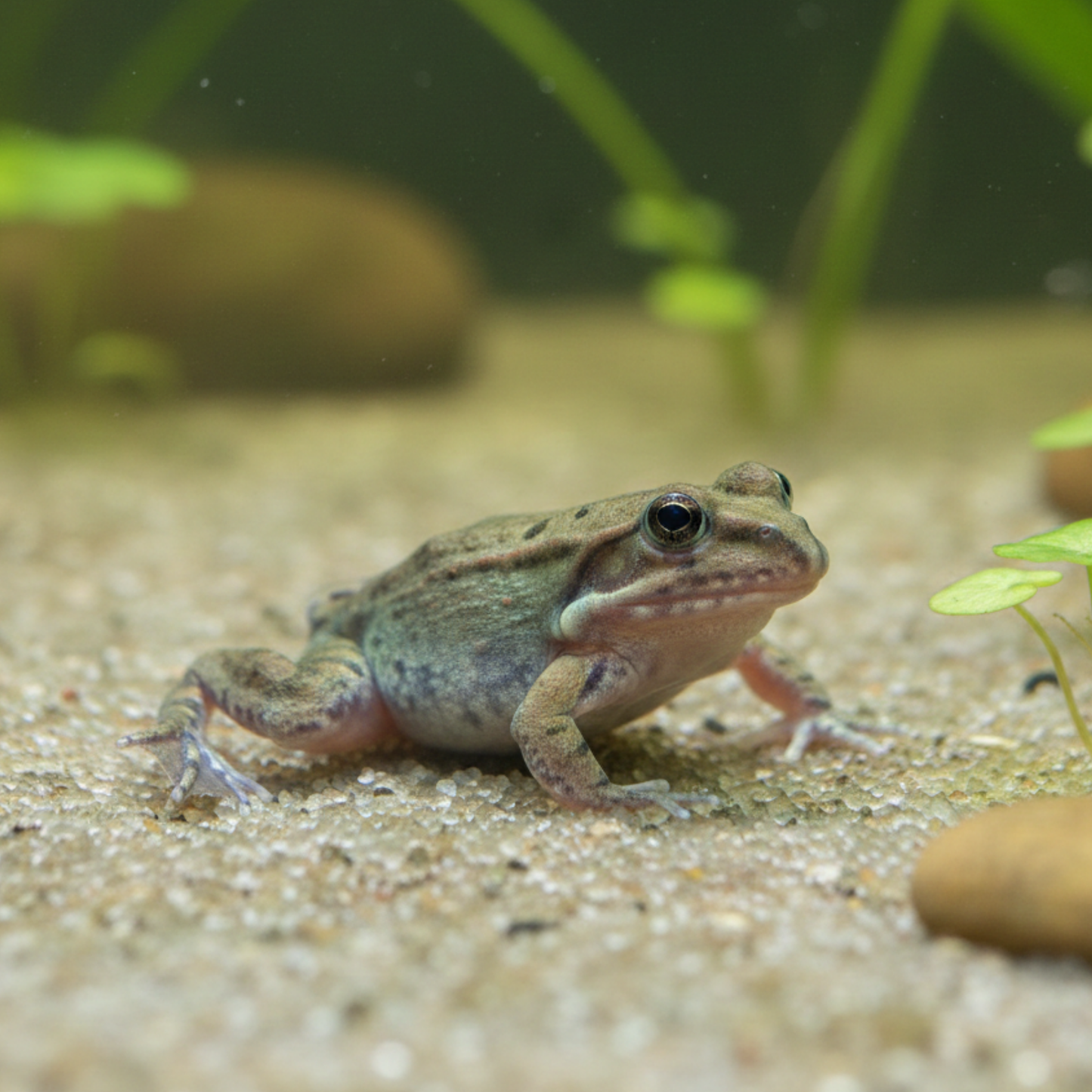
Description
Shipping Information
Reviews
Description
African Dwarf Frogs are captivating aquatic pets ideal for planted tanks and community aquariums. These tiny, fully aquatic frogs thrive in calm waters with gentle filtration and temperatures between 72–78°F. They're peaceful, low-maintenance companions that spend their days foraging along the substrate and exploring vegetation. Feed them specialized frog pellets, frozen bloodworms, or small live foods several times weekly. Their curious nature and unique behaviors make them fascinating to observe. Perfect for experienced aquarists seeking an unconventional addition to their aquatic setup. Â
Â
African Dwarf Frog – Essential Care Guide
Species Overview: Fully aquatic frogs originating from West Africa, renowned for their peaceful temperament and engaging behaviors in planted and community tanks.
Tank Requirements: Minimum 10 gallons; gentle filtration to avoid strong currents; densely planted with live vegetation for hiding and foraging opportunities.
Water Parameters: Temperature 72–78°F; pH 6.5–8.0; soft to moderately hard water; weekly 25% water changes recommended.
Diet & Feeding: Specialized frog pellets, frozen bloodworms, and small live foods such as daphnia or brine shrimp; feed 3–4 times weekly in small portions.
Behavior & Compatibility: Nocturnal foragers that coexist peacefully with non-aggressive fish and invertebrates; avoid housing with large predatory species.
Lifespan: 5–8 years with proper care, making them a long-term commitment for dedicated aquarists.
African Dwarf Frogs are diminutive aquatic amphibians weighing approximately 0.3–0.5 ounces (8–14 grams) with a body length of 1–1.5 inches. Their compact size makes them ideal for smaller aquariums and planted setups. These frogs possess fully webbed feet, streamlined bodies, and olive-green coloration that provides natural camouflage. They lack vocal sacs, remaining silent throughout their lives. Sexually dimorphic, females develop a visible ovipositor line along their underside when mature. With a lifespan of 5–8 years under optimal conditions, they represent a substantial commitment. Their diminutive stature combined with minimal bioload makes them excellent candidates for established nano tanks and community environments.
Â